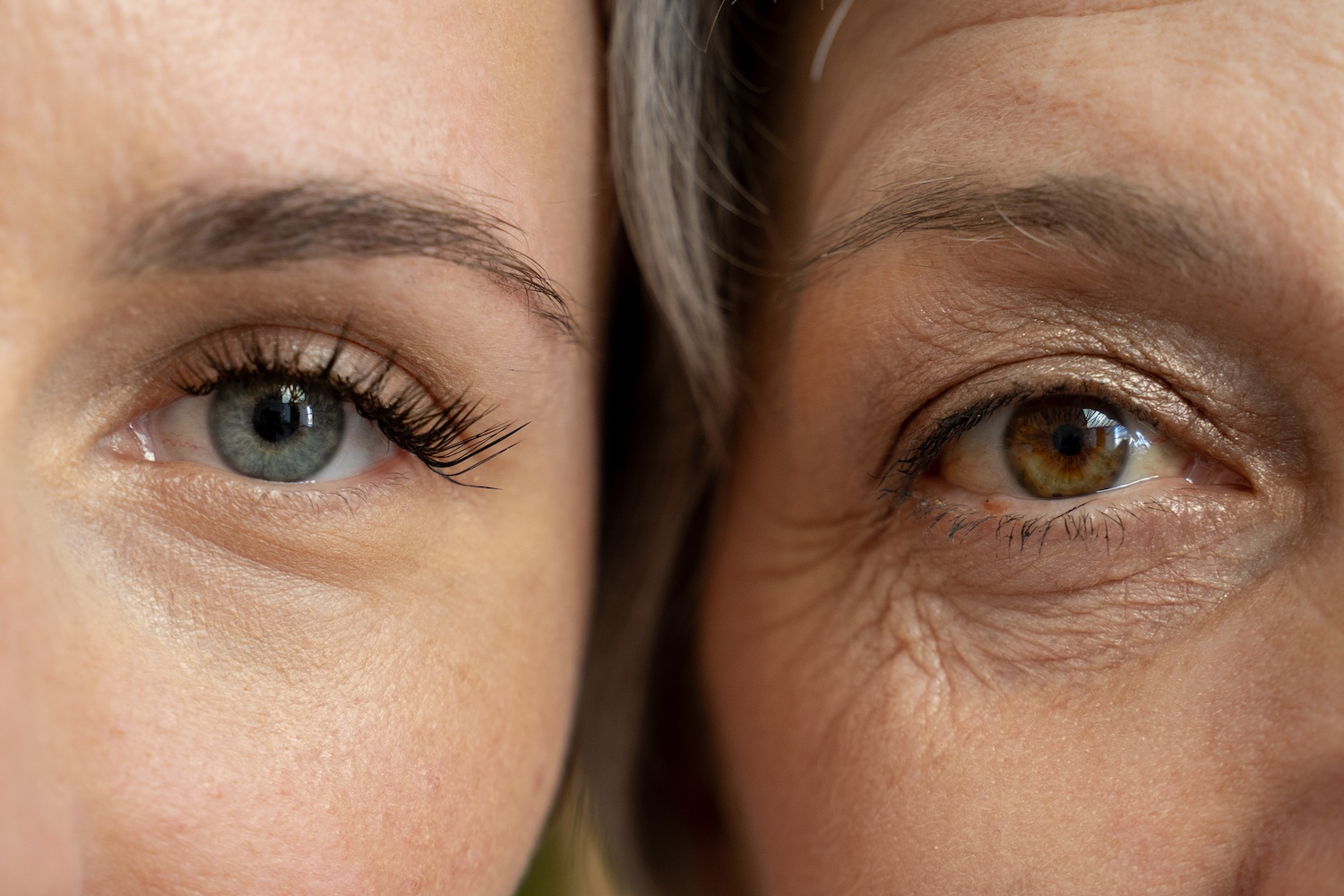
We all know people who are the exact same age but seem to be aging very differently. One person may be energetic, active and seem younger than their years, while another person of the same chronological age may already be dealing with fatigue, metabolic issues, inflammation or other health concerns. We see these differences all the time, and they are part of what has made the concept of biological age so interesting.
Your chronological age is simple. It is the number of years you have been alive. Biological age is an attempt to understand something different: how your body may be aging on the inside. It has become a major topic in longevity medicine, and you have probably seen celebrities talking about being biologically younger than their actual age, companies offering testing, and people online discussing ways to “reverse” their biological age.
I think it is an exciting area of medicine, but it is also one that needs some context. The most useful question is not, “How young can I make my number?” It is, “What is this information telling me about my health, and what can I do with it?”
There Is Not One Single Biological Age
One of the first things I explain to patients is that there is no single universally accepted test that can tell you your one true biological age. Different testing methods look at different aspects of the aging process, which is why it is necessary to understand what is being measured before putting too much emphasis on the number.
One of the most common approaches looks at epigenetic changes. I often describe genetics as the hardware you were born with and epigenetics as the software that helps determine how that hardware is being used. Your underlying DNA does not change, but your lifestyle, environment and other exposures can influence how certain genes are expressed. Researchers can look at patterns in these epigenetic markers and compare them with patterns seen at different ages.
That is only one way to evaluate aging. We are also learning more about the biological age of individual systems in the body. Your immune system, brain, liver, metabolism and even your gut microbiome can show different patterns of aging. In other words, you may not have one single biological age that perfectly describes every part of your body. Someone may have excellent cardiovascular fitness but poorer metabolic health, for example, or a very healthy lifestyle but an immune system that has been under significant stress.
This is why, when someone tells me, “My biological age is 35,” one of the first things I want to know is what test they took and what that test was measuring.
Biological Age and Pace of Aging Are Different
Another distinction is the difference between your biological age and your pace of aging. Biological age is more like a snapshot. It attempts to estimate where your biology appears to be at a particular point in time. Pace of aging looks at how quickly some of those biological changes may be happening.
One of the testing options I use in practice is True Age Diagnostics, which evaluates overall biological age and also includes DunedinPACE, a measure designed to estimate an individual’s pace of aging. I find the pace-of-aging concept especially interesting because it can give us another way to evaluate whether the changes someone is making are moving their health in the right direction.
For most people, I do not think biological age is something that needs to be checked constantly. I generally recommend establishing a baseline and then reassessing approximately once a year. That gives you enough time to make changes in areas like exercise, nutrition, sleep, metabolic health and stress and then see how those changes may correlate with your results.
Your Daily Habits Matter More Than You May Think
Your genetics clearly play a key role in how you age, but they are not the entire story. The environment in which your genes are functioning is influenced every day by how you live. Sleep, exercise, nutrition, stress, blood sugar, alcohol, smoking and environmental exposures can all affect the systems that are involved in healthy aging.
Sleep is a good example. Most of us think about poor sleep in terms of how tired we will feel the next day, but sleep is also a period of repair and recovery for the body. Consistently getting inadequate or poor-quality sleep affects far more than energy. It can influence metabolic health, cognitive function, hormones and inflammation.
Blood sugar is another area I pay a lot of attention to. Elevated blood sugar is not only something we should think about once someone reaches the threshold for prediabetes or diabetes. Metabolic health affects multiple systems throughout the body, and maintaining good glucose regulation is an important part of healthy aging.
The same is true for chronic stress. Your body has to respond to physical stress, emotional stress and the demands of a very busy life. That does not mean a stressful week suddenly adds years to your biological age, and I would never want someone to interpret these tests that literally. What matters more is the pattern over time. How are you asking your body to function month after month and year after year?
Aging Is Much More Than How We Look
When most people hear the word aging, they naturally think about visible changes such as wrinkles, gray hair or changes in skin. Longevity medicine is looking much deeper at what is happening inside our cells and tissues.
Researchers now describe what are commonly referred to as the hallmarks of aging, a group of interconnected biological processes that tend to change as we get older. These include mitochondrial dysfunction, cellular senescence, changes in gene regulation, chronic inflammation and alterations in how our cells sense and respond to nutrients.
You certainly do not need to memorize all of the hallmarks of aging to improve your health. What I think is valuable about this research is that it reinforces something we already see clinically: aging is not driven by one pathway or one organ system. It is a whole-body process.
That is also why I am cautious when I see a supplement, treatment or new biohack positioned as the answer to aging. There is rarely one intervention that can compensate for poor sleep, an unhealthy diet, inactivity, chronic stress and poor metabolic health.
Can You Reverse Your Biological Age?
This is where we need to be careful with the word reverse. Certain biomarkers used to estimate biological age can change, and it is possible to see a calculated biological age move in a younger direction. That is potentially very useful, but I would not interpret it as literally turning back the clock.
A biological age test is still a biomarker. It cannot tell you exactly how long you are going to live, and it cannot guarantee that you will or will not develop a particular disease. It also should not replace a thoughtful evaluation of your overall health, including your symptoms, family history, conventional laboratory testing, body composition, fitness and other risk factors.
A better question is whether we can improve the way our bodies are aging. We have good reason to believe that many of the behaviors associated with healthy aging are within our control. Regular exercise supports cardiovascular health, metabolic health, muscle mass and brain health. A whole-food diet can support blood sugar regulation while giving our cells the nutrients they need. Quality sleep gives the body time to recover, and managing chronic stress helps reduce an additional source of strain on multiple systems. Avoiding smoking, limiting alcohol and reducing unnecessary toxin exposures are also critical.
Maintaining muscle deserves particular attention as we get older. Muscle is not just about how strong you look. It plays a role in mobility, metabolic health, glucose regulation and our ability to remain independent later in life. This is one reason I place such an emphasis on resistance training.
What My Own Biological Age Taught Me
I have experienced the value of this type of testing personally. The first time I tested my biological age, I was in a very different stage of my life. I was working long hours, I had a young child, and I was not prioritizing my health in the way I do today. My biological age came back approximately five years older than my chronological age.
The result made sense to me. I did not view it as something to panic about. I viewed it as another piece of information about what was happening in my body at that particular time.
Over the years, I became much more intentional about my nutrition, exercise, sleep, stress management and overall wellness. When I tested again, the result was very different. My biological age measured three years younger than my chronological age.
For me, that is what makes this testing interesting. I am not trying to compete for the lowest possible biological age or claim that I have made myself physically younger. I am interested in whether the choices I am making to support my health are showing up in measurable ways. It provides another data point that I can look at alongside everything else.
What Should You Do With Your Result?
If you decide to test your biological age, I think the most valuable thing you can do is put the result in context. Think about what your life looked like in the months leading up to the test.
- Were you exercising consistently?
- Were you sleeping well?
- Were you going through a period of significant stress?
- What was happening with your blood sugar and metabolic health?
- Were you eating mostly whole foods, or had your schedule made healthy eating more difficult? Were you drinking more alcohol than usual?
Then use the result as a baseline rather than a grade.
If there are areas of your health that need attention, identify where you can make purposeful changes instead of trying to overhaul everything at once. For one person, that might mean becoming consistent with strength training. For someone else, the priority may be improving sleep or addressing elevated blood sugar before it progresses.
This is also why I prefer checking biological age approximately once a year rather than repeatedly testing. Healthy aging is a long-term process. Giving yourself time between tests allows you to look back over the previous year and ask what you changed and whether your results appear to be moving in the direction you want.
The Number Is Not the Goal
I love data and biological age testing can be a fascinating tool when it is used appropriately. But you do not need a biological age test before you can start making changes.
Most of us already know at least one area where we could do better. If you are regularly sleeping five hours a night, you do not need an epigenetic test to tell you that sleep deserves attention. If you are sedentary, adding movement and strength training is important regardless of your biological age score. If your blood sugar is trending upward, it is worth addressing now rather than waiting for it to cross a diagnostic threshold.
The goal is to maintain your strength, energy, metabolic health, cognitive function and independence for as many years as possible. We cannot change the date on our birth certificate, but we can influence many of the factors that determine how well we age.
To me, that is a much more meaningful way to think about longevity.