I’ve been on a bit of a fiber kick lately. It’s something I’ve been thinking about more in my own diet and bringing up with patients, too.
We hear so much about protein these days, and for good reason. It’s important for maintaining muscle, especially as we get older. But how many of us could say how much fiber we’re getting? I suspect most people have no idea.
Most people think about fiber when they’re dealing with constipation. But that’s only a fraction of what it does. What really interests me is the research connecting fiber to heart health, blood sugar, cancer risk and even the bacteria living in our gut.
A large review published in The Lancet found that people who ate the most fiber had a 15–30% lower risk of several outcomes, including heart disease, type 2 diabetes, colorectal cancer and premature death, compared with those who ate the least.
There’s also research on breast cancer. A 2020 meta-analysis found that women with the highest fiber intake had about an 8% lower risk of breast cancer compared with women with the lowest intake.
Of course, eating more fiber doesn’t guarantee you won’t develop these conditions. But when we’re thinking about the dietary habits that may influence our health over time, I think these findings deserve attention.
Fiber Has Benefits You Might Not Expect
When patients come to me concerned about their cholesterol, we often spend time talking about their diet. Fiber is one of the things I want them paying attention to, particularly soluble fiber.
Soluble fiber can help lower LDL cholesterol by binding bile acids in the digestive tract. Oats are a good source of beta-glucan, a soluble fiber that’s been studied for this benefit.
There are a few other reasons I encourage patients to eat more fiber:
- Blood sugar: Fiber slows carbohydrate absorption, helping keep blood sugar from rising as quickly after a meal.
- Appetite and weight: Meals with more fiber tend to be more filling, which can help with hunger and weight management.
- Gut health: Some of the bacteria in our digestive tract feed on fiber. As they break it down, they produce compounds such as butyrate, which helps nourish the cells lining the colon.
That last point is particularly interesting to me. Our gut bacteria don’t all thrive on the same foods, which is one reason I encourage patients to eat different types of plants.
There’s also some early research looking at whether beta-glucan from oats might bind microplastics in the digestive tract. We don’t have good human evidence yet showing that eating oats helps eliminate microplastics, but I’m interested to see where that research goes.
A Big Salad Doesn’t Always Mean a Lot of Fiber
I think people sometimes overestimate how much fiber they’re eating.
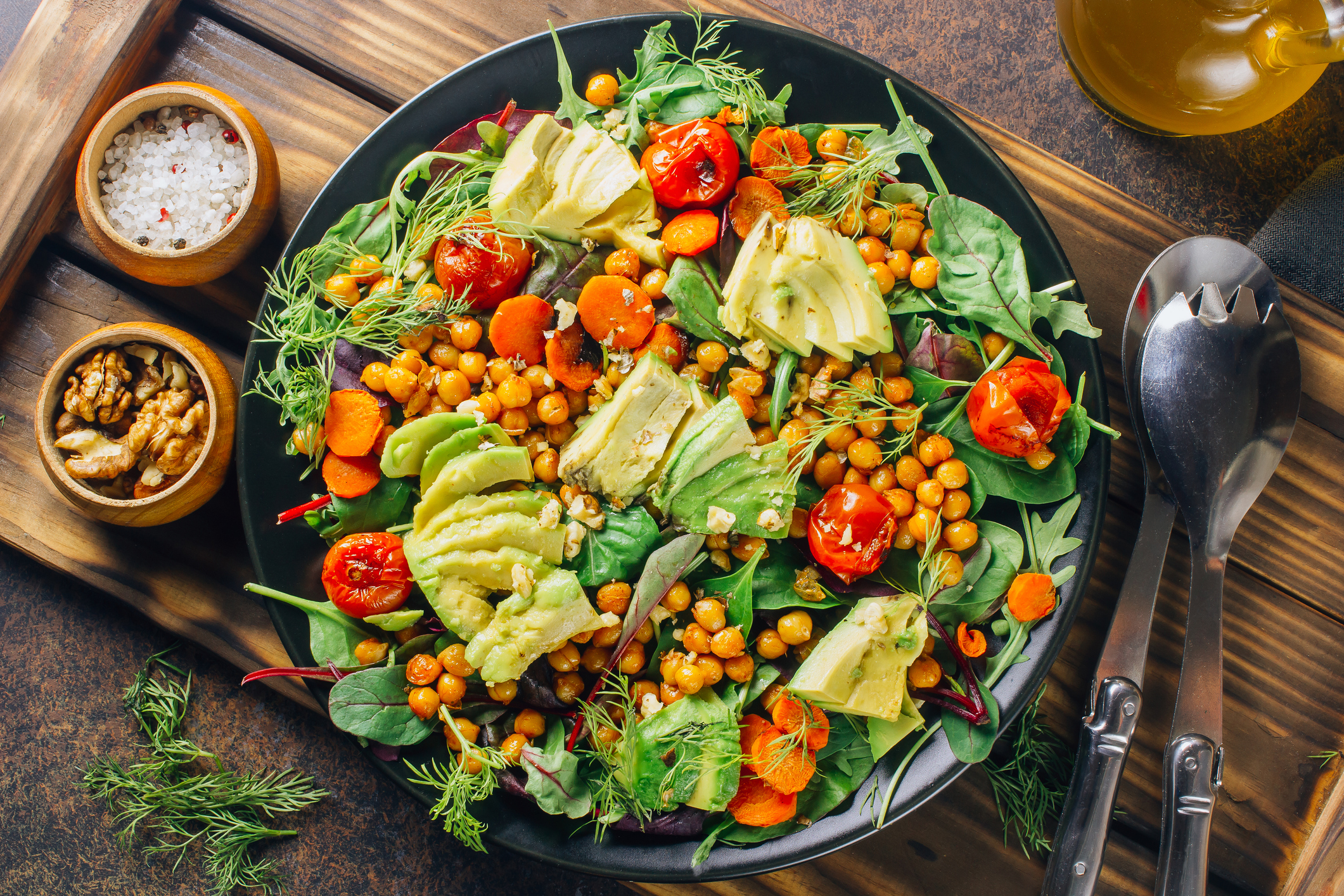
A large salad is a good example. If it’s mostly lettuce, there may not be much fiber in it. Add carrots, garbanzo beans, avocado and a few other vegetables, and suddenly that salad has a lot more going for it. And some foods that don’t look particularly fibrous contain a good amount. Avocados and bananas are two examples.
Women 50 and younger are generally advised to get about 25 grams of fiber daily, while men in that age group need around 38 grams. The recommendations are somewhat lower after 50, but most Americans still don’t get enough. If you’re curious about your own intake, try tracking it for a couple of days. You may be surprised.
What I’ve Been Eating Lately
Almost every morning, I make a pudding with ground flaxseed, chia seeds and hemp seeds. It’s become part of my routine, and it gets me about halfway to my daily fiber goal.
I’ve also been making a conscious effort to eat more legumes. I’m always looking for opportunities to throw some chickpeas into a salad, add lentils to soup or work beans into whatever else I’m making.
I tell patients to keep a mental list of fiber-rich foods and see where they can work one into each meal. Some of my favorites are lentils, beans, chia seeds, ground flaxseed, raspberries, avocados, broccoli and oats.
Do I Recommend Fiber Supplements?
Yes, depending on the person.
I’d rather patients get most of their fiber from food, since they’re getting other nutrients along with it. But a supplement can be helpful if you’re having trouble reaching your goal.
Psyllium husk is one I like because there’s good evidence for its benefits with constipation and LDL cholesterol. A mixed-fiber supplement, such as one from Thorne containing soluble and insoluble fiber, can also be an option.
I always caution patients about increasing fiber too quickly. If you’re not used to eating much, adding a lot at once can leave you bloated and uncomfortable. Increase gradually, drink enough water and give your digestive system time to adjust. People with IBS, SIBO or other digestive conditions may need a more individualized approach.
My advice? Start with your next meal. Find one way to add more fiber, whether it’s a handful of beans, some chia seeds or another serving of vegetables.
We don’t need to choose between prioritizing protein and fiber. If we’re serious about supporting our health as we age, we should be paying attention to both.